Exploring Cutting-edge Solutions for Optimal Home Air Flow Systems
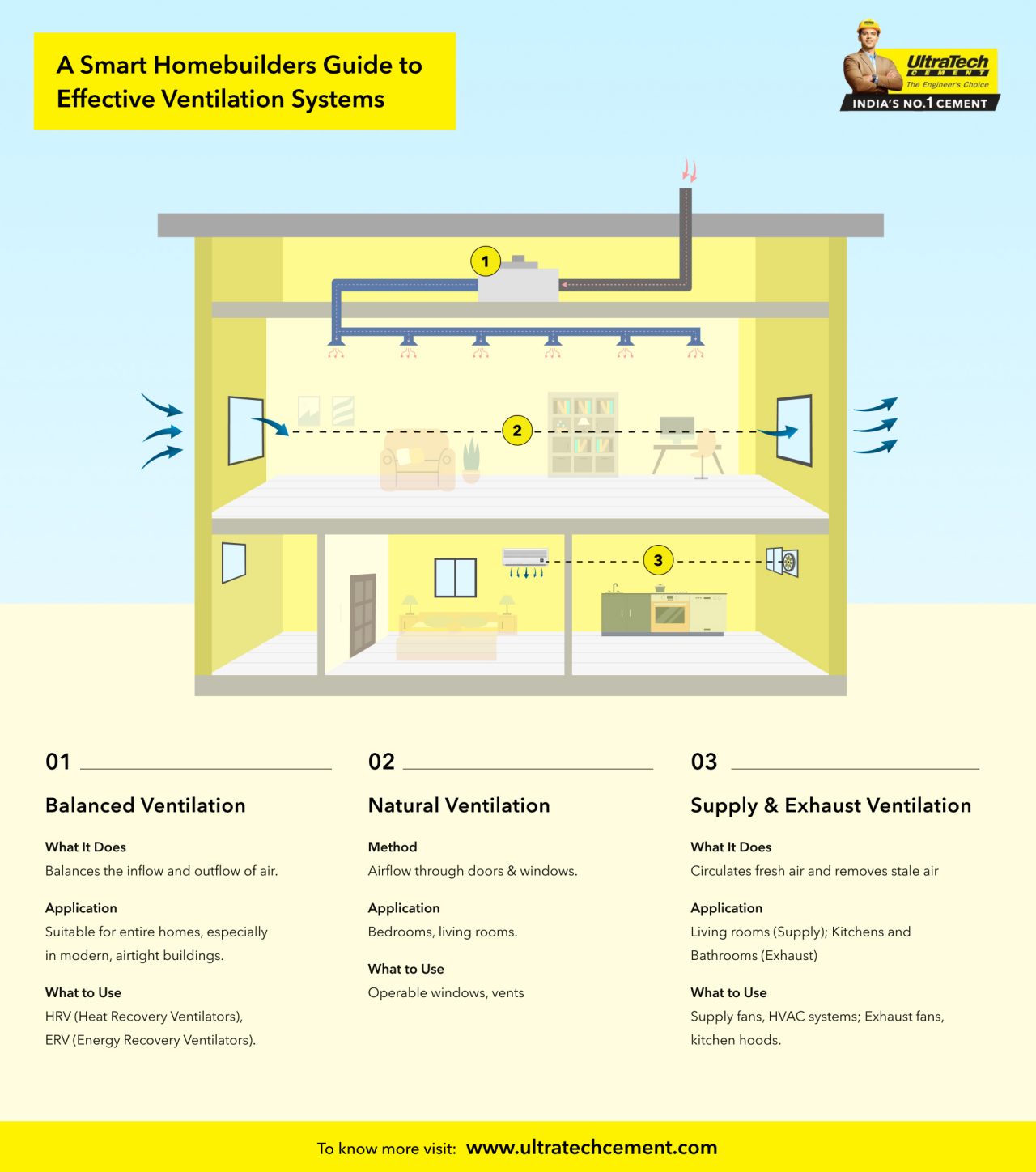
Home ventilation plays an essential function in keeping health and convenience within living rooms. With advancements in innovation, cutting-edge options are arising to optimize these systems. Smart ventilation, power recuperation ventilators, and advanced filtration are reshaping just how air quality is handled - Home Ventilation Melbourne. Nevertheless, the assimilation of these technologies questions regarding their performance and flexibility in diverse home environments. What ramifications do these advancements hold for future living requirements?
The Value of Home Air Flow for Health And Wellness and Convenience
Often overlooked, home air flow plays a crucial duty in keeping both wellness and convenience within domestic spaces. Sufficient ventilation is essential for the blood circulation of fresh air, which aids to thin down interior toxins such as unpredictable organic compounds, irritants, and odors. Without proper air movement, these impurities can collect, resulting in respiratory concerns and other illness. Additionally, effective air flow adds to managing humidity levels, protecting against mold growth and architectural damage. By making certain a balanced exchange of air, homeowners can take pleasure in a more positive indoor setting, improving total wellness. Moreover, ample ventilation can boost energy performance by minimizing the need for extreme heating or air conditioning, eventually resulting in lower energy expenses and a more sustainable home.
Smart Air Flow Systems: Harnessing Innovation for Effectiveness
Smart air flow systems stand for a substantial advancement in home air management, leveraging IoT combination for improved control. These systems not only promote energy effectiveness yet additionally offer remote monitoring capabilities, allowing users to enhance their indoor atmospheres effortlessly. By using modern technology, property owners can accomplish better air quality while lowering power intake.
IoT Integration Advantages
How can IoT integration transform conventional air flow systems into extremely effective clever services? By integrating Net of Things (IoT) innovation, air flow systems can achieve real-time surveillance and control, boosting their functional performance. Sensing units put throughout a home accumulate data on air top quality, humidity, and temperature level, enabling automated changes based upon existing problems. This prompt responsiveness leads to boosted interior air top quality and comfort levels. Furthermore, IoT-enabled systems can connect with other wise home gadgets, producing a natural ecological community that maximizes power usage. Users can additionally gain access to and manage their ventilation systems from another location using smart devices, giving convenience and boosted control. In general, IoT combination represents a significant improvement, bringing knowledge and adaptability to traditional ventilation practices.
Power Effectiveness Features
As power efficiency comes to be an essential emphasis in contemporary home layout, progressed air flow systems offer cutting-edge features that substantially reduce power intake. These clever ventilation systems use sensors to keep an eye on indoor air temperature, quality, and humidity levels, immediately changing air flow to keep perfect problems. By using power recuperation ventilators (ERVs), they recycle and record power from outgoing air, lessening home heating and cooling demands. Variable rate followers better enhance efficiency by adjusting their operation based on real-time needs, avoiding unnecessary energy waste - Home Ventilation Melbourne. Additionally, programmable timers and occupancy sensors assure that air flow runs just when essential, adding to reduced energy expenses. Collectively, these features represent a significant advancement in developing lasting and energy-efficient living settings
Remote Tracking Abilities
What advantages do remote monitoring abilities offer modern-day home air flow systems? These abilities allow homeowners to track interior air top quality and system performance in real time, boosting total effectiveness. By offering data on air, temperature, and humidity contaminants, wise ventilation systems enable proactive changes, making certain excellent problems. Additionally, remote tracking assists in maintenance informs, determining possible problems prior to they rise, consequently reducing fixing costs and downtime. Customers can access system analytics through mobile applications, enabling practical control also when away from home. This technical integration not just promotes energy performance however additionally contributes to a much healthier living environment. Eventually, remote surveillance abilities stand for a significant improvement in home ventilation, lining up with the expanding demand for wise home innovations.
Energy Healing Ventilators: Maximizing Power Cost Savings
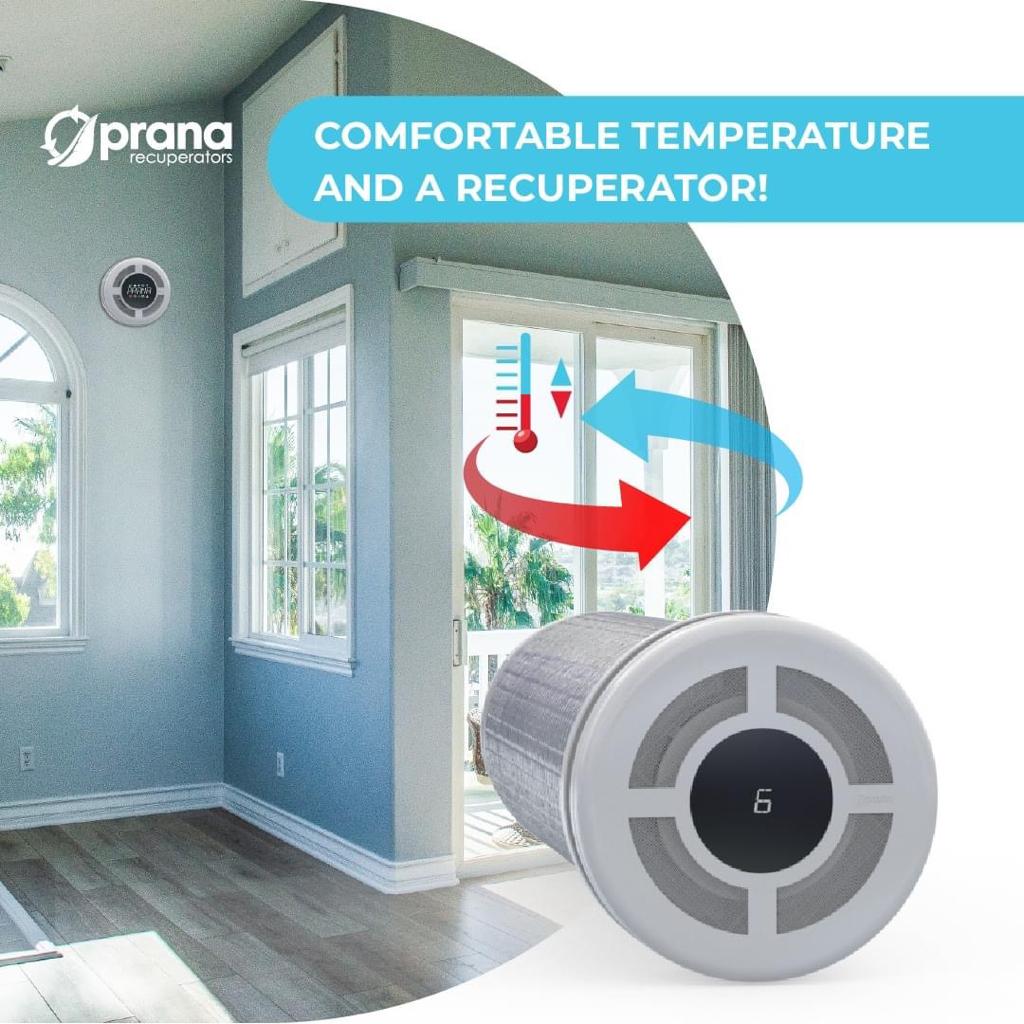
Energy healing ventilators (ERVs) play a vital function in improving home power efficiency through effective warm exchange. By transferring thermal energy in between outbound and inbound air, these systems substantially minimize overall power usage. This ingenious method not just keeps indoor air top quality but also contributes to reduce energy prices.
Performance of Warmth Exchange
While maintaining indoor air quality is vital for health and wellness and convenience, the efficiency of warmth exchange in power recovery ventilators (ERVs) plays an important duty in maximizing energy savings. The key feature of an ERV is to move warmth and dampness in between outbound and incoming air streams, which optimizes indoor conditions while minimizing power loss. High-efficiency warmth exchangers can substantially lower the lots on heating and cooling systems by reclaiming power that would certainly or else be lost. The efficiency of these systems is typically determined by their core temperature currency exchange rate, which can differ based upon design and materials made use of. By concentrating on sophisticated heat exchange technologies, home owners can boost their ventilation systems, leading to boosted power effectiveness and cost decreases gradually.
Decreased Energy Intake
Minimizing energy consumption is a vital benefit of power healing ventilators (ERVs), as they efficiently recycle thermal power from worn down air. By moving warm in between inbound and outbound jet stream, ERVs lessen the need for added home heating or cooling, leading to substantial power financial savings. This procedure not only lowers energy costs yet likewise lessens the ecological effect related to higher power use. Furthermore, ERVs maintain regular indoor air top quality without jeopardizing thermal comfort, developing a well balanced living atmosphere. By integrating ERVs into this content home air flow systems, property owners can attain higher power effectiveness, enabling a lasting approach to interior air monitoring while gaining from reduced energy costs. Ultimately, ERVs stand for an engaging solution for energy-conscious consumers.
Advanced Filtering Technologies for Cleanser Indoor Air
As indoor air high quality comes to be increasingly acknowledged as a crucial part of health and wellness, progressed purification innovations are arising as important tools for making certain cleaner environments. These innovations include high-efficiency particle air (HEPA) filters, turned on carbon filters, and electrostatic precipitators, each made to effectively capture air-borne toxins, allergens, and volatile natural compounds (VOCs) HEPA filters can catch particles as tiny as 0.3 microns, substantially reducing allergens like dust mites and pet dander. Activated carbon filters excel in adsorbing smells and chemical vapors, adding to a fresher interior ambience. In addition, electrostatic precipitators make use of electric fees to eliminate bits, offering an energy-efficient alternative. By integrating these innovative purification systems, homeowners can enhance interior air top quality and advertise healthier home.
The Role of Sensors in Optimizing Airflow and Quality
How can sensing units change the administration of interior air top quality? Sensing units play an essential role in improving air movement and improving indoor environments. By continuously checking variables such as moisture, temperature, and levels of pollutants, they provide real-time information that educates ventilation systems. This info enables computerized modifications to air flow, guaranteeing adequate circulation and decreasing the accumulation of contaminants. In addition, progressed sensors can find details air high quality concerns, triggering immediate actions to enhance convenience and health. The assimilation of these devices right into ventilation systems enables a more reliable and responsive monitoring method, lowering energy intake while maintaining excellent air high quality. Inevitably, sensors act as an essential element in developing healthier interior spaces with specific air flow guideline.
Incorporating Ventilation With Smart Home Equipments
While numerous home owners seek ease and efficiency, integrating air flow systems with clever home technology uses an innovative service to taking care of interior air quality. By linking air flow units to clever home hubs, homeowners can automate air quality tracking and control airflow based on real-time information. These systems can react to adjustments in toxin, moisture, and temperature level degrees, making certain perfect indoor conditions. Smart thermostats can work in tandem with air flow systems to boost power performance, lowering prices while keeping convenience. Home owners can also remotely manage their air flow settings via mobile applications, offering flexibility and satisfaction. Eventually, this assimilation not only simplifies monitoring yet substantially enhances the general living atmosphere, making it an important addition to modern-day homes.
Future Patterns in Home Ventilation Solutions
Emerging modern technologies and enhanced understanding of indoor air high quality are shaping the future of home air flow options. One considerable trend is the integration of expert system, making it possible for systems to change air flow based on real-time information and occupancy patterns. On top of that, power recuperation ventilators are acquiring traction, giving efficient air exchange while decreasing energy loss. The usage of environmentally friendly materials and layouts is likewise rising, straightening with sustainability goals. Smart sensing units that keep an eye on pollutants and moisture degrees are ending up being criterion, enabling homeowners to keep ideal interior environments. Additionally, modular and scalable systems are arising, providing adjustable alternatives for various home dimensions and configurations. you can find out more Home Ventilation Melbourne. Together, these innovations promise to improve convenience, efficiency, and health and wellness in household spaces
Often Asked Concerns
Exactly how Usually Should I Clean My Home Ventilation System?

The regularity of cleaning up a home air flow system varies based upon use and setting. Typically, it is advised to clean up the system every three to 6 months to maintain ideal air quality and system performance.
Can Poor Air Flow Cause Mold And Mildew Development Inside Your Home?
What Are the Indicators of Inadequate Home Ventilation?
Signs of inadequate home air flow consist of consistent odors, raised humidity levels, condensation on windows, noticeable mold growth, and a basic feeling of stuffiness. These indications often recommend that air flow is not enough for keeping a healthy and balanced interior atmosphere.
How Can I Boost Ventilation in Older Residences?
To improve air flow in older homes, one might take into consideration setting up exhaust followers, using all-natural air flow with home windows, securing spaces for better air control, and incorporating air purifiers to enhance indoor air quality effectively.
Are DIY Air Flow Solutions Effective and Safe?
Smart ventilation, energy recuperation ventilators, and progressed filtration are improving exactly how air high quality is handled. As energy efficiency becomes a vital focus in modern home design, progressed air flow systems use ingenious functions that significantly reduce power intake. By incorporating ERVs into home ventilation systems, homeowners can achieve better power effectiveness, allowing a sustainable approach to interior air administration while benefiting from lower power expenses. The integration of these tools right into ventilation systems allows for an extra effective and responsive monitoring technique, minimizing energy consumption while keeping suitable air high quality. While many home owners seek convenience and performance, integrating ventilation systems with clever home innovation offers a cutting-edge option to handling interior air top quality.
Comments on “A Seasonal Maintenance Guide for Home Ventilation Melbourne”